

Table of Contents
The Goods and Services Tax (GST) is an integrated, indirect tax system that was rolled out in India on July 1st, 2017 and replaced various central and state level taxes. By understanding the benefits and drawbacks of GST, one can better see what effects GST has had upon the businesses, consumer and overall economic climate.
Even though GST aims to reduce the burden of taxing businesses through a simpler process, promote greater transparency, and create a single national marketplace, there are some operational and compliance issues associated with GST. The following provides a detailed analysis of the advantages and disadvantages of GST in India.
Advantages of GST
- One Nation, One Tax (One India – One Market)
In terms of improving trade among Indian States and increasing economic integration, GST has removed trade barriers between states by replacing multiple indirect taxes with a unified national tax system, and created a common national market in one nation. In this manner, GST has helped to improve both interstate trade and economic integration.
- Removal of Cascading Effect of Taxes
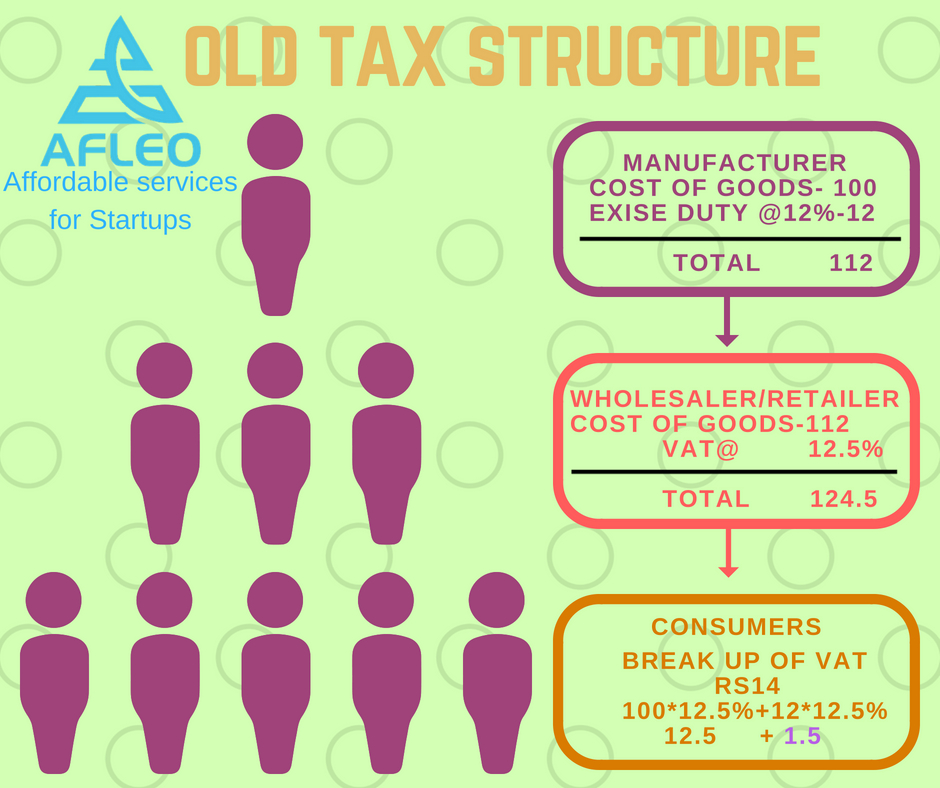
The removal of the cascading effect of taxes is one of the largest benefits of GST. In addition to removing the cascading effect, GST allows for the use of input tax credit (ITC), which makes it possible to reduce the tax burden across a supply chain and lower the costs associated with goods and services.
- Simplified Tax Structure and Compliance
The new GST tax system has consolidated many different indirect taxes (such as Excise Duty, Service Tax, VAT, CST, Entry Tax) into a single tax structure. All registration, returns, payments, refund and e-way bill requirements are now centralized and processed online through the government’s single GST Portal, which is simpler and less time-consuming than before.
- Seamless Flow of Goods Across States
Prior to GST, there were a number of barriers to moving goods across state lines, including CST and Entry Taxes. These caused delays, increased the cost of logistics and created inefficiencies in supply chain processes. The removal of these barriers by the introduction of GST has resulted in greater speed of transportation, lower logistics costs, and more streamlined supply chain processes.
- Ease of Doing Business
With fewer taxes, consistent rules, and electronic compliance, GST has made it easier for businesses to conduct their operations in India, which will allow them to have less complexity with regard to tax systems and be able to concentrate more on growing their businesses.
- Reduced Tax Burden on Necessary Goods
Taxation of necessary goods (food grains, milk, fruits, vegetables, newspapers, and books) is reduced to 0% (exempt) in order to provide consumers with a reduction in tax burden, protect consumer staples from inflationary pressures due to pricing, and help stabilize the cost of living.
- Streamlined Reimbursement Procedures for Exporters
The GST has streamlined the reimbursement process for exporters by providing an electronic refund system. The reimbursement process is now more accessible and direct; exporters are able to submit claims electronically, and approved reimbursements will be paid directly into exporter’s bank accounts thereby assisting in maintaining export-related cash flow and working capital.
Disadvantages of GST
- Higher Regulatory Compliance Costs for Small Business
MSMEs have to deal with a higher regulatory burden as they file returns on a continuous basis after registering under GST, even when they may have low profit margins. Thus, it becomes more costly and burdensome to carry out regulatory compliance for MSMEs.
- The Constantly Changing GST Rates and Regulations
The constant changes in GST rates, notifications and regulatory requirements cause uncertainty and confusion, particularly among small taxpayers and traders.
- The High Dependence On Technology
The GST regime has a high dependence on technology. Therefore, small taxpayers and traders who do not have access to digital infrastructure or have very poor computer skills will find difficulties in filing their returns electronically, reconciling their accounts and carrying out their regulatory compliance.
- Blocking Working Capital
Working capital can be blocked due to delayed refunds in particular for exports and other businesses which are facing an inverted duty structure. This will affect the liquidity of the business and its operations.
- Increased Complexity In Regulatory Compliance For Specific Industries
There are several concepts that increase the complexity of regulatory compliance for specific industries such as reverse charge mechanism (RCM) and e-way bills etc., besides multiple slabs of GST rates.
- Penalties for Minor Errors
Even for minor errors or late filings, GST law imposes penalties and interest, thereby creating compliance risks and stresses for the businesses.
1 thought on “Advantages and Disadvantages of Goods and Service Tax (GST)”
Keep up the great work! Thank you so much for sharing a great posts.
Comments are closed.